
"Pure Gump"
20300 article(s) found
An introduction to the Historical Origin of Malaba Coffee in Rwanda
Following caf é (Wechat official account vdailycom) found that Malaba Coffee, Rwanda Malaba Coffee (Rwandan: Ikawa ya Maraba, French: Caf de Maraba) is a fair trade certified coffee grown in Malaba area of southern Rwanda. The coffee crop of Malaba is a bourbon variety of Arabica species.

Brief introduction of Rwanda Coffee beans how much is the coffee bean per jin
Malaba Coffee (Rwandan: Ikawa ya Maraba, French: Caf de Maraba) is Fairtrade certified coffee grown in the Malaba area of southern Rwanda. Malaba's coffee crop is a bourbon of the Arabica species and is grown in fertile volcanic soil on high-altitude hills. The fruits of coffee trees are mainly picked manually during the rainy season from March to May.

A brief History of Coffee drinking: why Coffee has become the "spiritual poison" of contemporary urban youth?
For more information on coffee beans, please follow the Coffee Workshop (Wechat official account cafe_style). It is one of the common poisons in Conan Doyle and Agatha Christie's detective novels, a muse inspired by geniuses such as Beethoven and Van Gogh, and a soul mate that Balzac and Voltaire should love when they die. It is said that Apollo XIII made the third manned landing on the moon.
Rwandan coffee is the best coffee in Rwanda.
Rwandans have been growing coffee since colonial times, but until 1999, the product was classified as below grade C and was not available on the global market. The reason for the poor quality is that farmers do not have a fixed procedure for cleaning coffee beans, and they do not process coffee fruits according to specifications in time. Buyers pay $0.33 a kilo for coffee beans, farmers keep warm on meager profits from low prices
Boutique Coffee Rwanda Coffee Manor 1756 members small farmers
Rwandans have been growing coffee since colonial times, but until 1999, its products were still classified as below Class C and were not popular in the global market. The reason for the poor quality is that farmers do not have a fixed procedure for washing coffee beans and do not process coffee fruits according to specifications in time. Buyers buy coffee beans at $0.33 per kilogram, and farmers keep warm by the meagre profits earned at low prices.

Coffee lovers must collect coffee quotations! It's a must for coffee pictures and articles in moments!
Professional coffee knowledge exchange more coffee bean information please follow the coffee workshop (Wechat official account cafe_style) No matter how busy, you also need a cup of coffee! Having a cup of coffee every day has become an integral part of many people's lives: they need coffee to wake up in the morning, coffee to concentrate in meetings, and overtime.

Boutique coffee Rwanda coffee flavor red apple, cherry, cinnamon, honey
Rwandans have been growing coffee since colonial times, but until 1999, its products were still classified as below Class C and were not popular in the global market. The reason for the poor quality is that farmers do not have a fixed procedure for washing coffee beans and do not process coffee fruits according to specifications in time. Buyers buy coffee beans at $0.33 per kilogram, and farmers keep warm by the meagre profits earned at low prices.

Fine coffee Rwanda coffee producing area Western Province Lutexiluo producing area
Rwandans have been growing coffee since colonial times, but until 1999, the product was classified as below grade C and was not available on the global market. The reason for the poor quality is that farmers do not have a fixed procedure for cleaning coffee beans, and they do not process coffee fruits according to specifications in time. Buyers pay $0.33 a kilo for coffee beans, farmers keep warm on meager profits from low prices

Fine coffee Rwanda coffee treatment method washing, elevated scaffolding sun drying
Rwandans have been growing coffee since colonial times, but until 1999, its products were still classified as below Class C and were not popular in the global market. The reason for the poor quality is that farmers do not have a fixed procedure for washing coffee beans and do not process coffee fruits according to specifications in time. Buyers buy coffee beans at $0.33 per kilogram, and farmers keep warm by the meagre profits earned at low prices.
Boutique coffee Rwanda coffee origin Rwanda coffee practice
Rwandans have been growing coffee since colonial times, but until 1999, its products were still classified as below Class C and were not popular in the global market. The reason for the poor quality is that farmers do not have a fixed procedure for washing coffee beans and do not process coffee fruits according to specifications in time. Buyers buy coffee beans at $0.33 per kilogram, and farmers keep warm by the meagre profits earned at low prices.
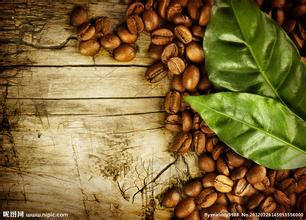
Boutique Coffee Rwanda Coffee Manor 1756 members small farmers
Rwandans have been growing coffee since colonial times, but until 1999, its products were still classified as below Class C and were not popular in the global market. The reason for the poor quality is that farmers do not have a fixed procedure for washing coffee beans and do not process coffee fruits according to specifications in time. Buyers buy coffee beans at $0.33 per kilogram, and farmers keep warm by the meagre profits earned at low prices.
Fine coffee Rwanda Coffee introduces the characteristics of Rwanda Coffee
Rwandans have been growing coffee since colonial times, but until 1999, its products were still classified as below Class C and were not popular in the global market. The reason for the poor quality is that farmers do not have a fixed procedure for washing coffee beans and do not process coffee fruits according to specifications in time. Buyers buy coffee beans at $0.33 per kilogram, and farmers keep warm by the meagre profits earned at low prices.

Boutique coffee Rwanda coffee flavor red apple, cherry, cinnamon, honey
Rwandans have been growing coffee since colonial times, but until 1999, its products were still classified as below Class C and were not popular in the global market. The reason for the poor quality is that farmers do not have a fixed procedure for washing coffee beans and do not process coffee fruits according to specifications in time. Buyers buy coffee beans at $0.33 per kilogram, and farmers keep warm by the meagre profits earned at low prices.
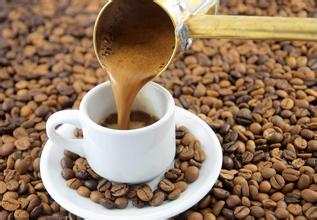
Boutique coffee Rwanda coffee producing area in the western province of Lutexilo
Rwandans have been growing coffee since colonial times, but until 1999, its products were still classified as below Class C and were not popular in the global market. The reason for the poor quality is that farmers do not have a fixed procedure for washing coffee beans and do not process coffee fruits according to specifications in time. Buyers buy coffee beans at $0.33 per kilogram, and farmers keep warm by the meagre profits earned at low prices.

Fine coffee Rwanda coffee processing method Processing method Washing, elevated shelf drying
Rwandans have been growing coffee since colonial times, but until 1999, the product was classified as below grade C and was not available on the global market. The reason for the poor quality is that farmers do not have a fixed procedure for cleaning coffee beans, and they do not process coffee fruits according to specifications in time. Buyers pay $0.33 a kilo for coffee beans, farmers keep warm on the meager margins they earn at low prices

The characteristics of Rwandan coffee
Since the 1920s, Arabica coffee grown in Rwanda has been famous for its unique fruit sweetness and rich grass aroma. In recent years, the Rwandan government has taken positive measures to vigorously promote coffee production, set up coffee production cooperatives in various places, and give technical guidance and financial support to farmers, so that coffee production has made considerable progress. From Rwanda.
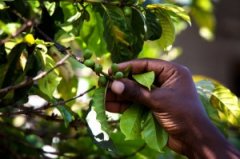
Coffee producing area African Rwanda boutique coffee beans
Global coffee producing area-since the 1920s, Rwanda Arabica coffee grown in Rwanda has been famous for its unique fruit sweetness and rich grass aroma. In recent years, the government of Rwanda has taken positive measures to vigorously promote coffee production, set up coffee production cooperatives in various places, and give technical guidance and financial support to farmers, so that coffee production can be achieved.
High-quality coffee beans from global coffee producing area Rwanda
Rwanda Coffee Global Coffee producer-since the 1920s in Rwanda, Arabica coffee grown in Rwanda (Rwanda) has been famous for its unique fruit sweetness and strong grass aroma. In recent years, the Rwandan government has taken positive measures to vigorously promote coffee production, set up coffee production cooperatives in various places, and give technical guidance and financial support to farmers.
Rwanda Coffee
Global coffee producing area-since the 1920s, Rwanda Arabica coffee grown in Rwanda has been famous for its unique fruit sweetness and rich grass aroma. In recent years, the government of Rwanda has taken positive measures to vigorously promote coffee production, set up coffee production cooperatives in various places, and give technical guidance and financial support to farmers, so that coffee production can be achieved.

The principle of making pure iced coffee how to make pure iced coffee? The secret of making pure iced coffee
1. Add coconut milk 3 minutes full, add 10 grams of syrup, then stir well. 2. Add iced coffee to 8 minutes full, never pour it too fast, so as not to destroy the sense of hierarchy. 3. Sprinkle the cream gun on the iced coffee and add fruit sugar to it.